
How Removing the Right Tree at the Right Time Protects Your Property
Trees and property value usually go hand in hand, but that relationship has an important qualifier attached to it. Healthy, well-positioned trees enhance a property meaningfully. Declining, damaged, or poorly placed trees tell a very different story, one that affects structural integrity, insurance considerations, and the overall impression a property makes on everyone who sees it.
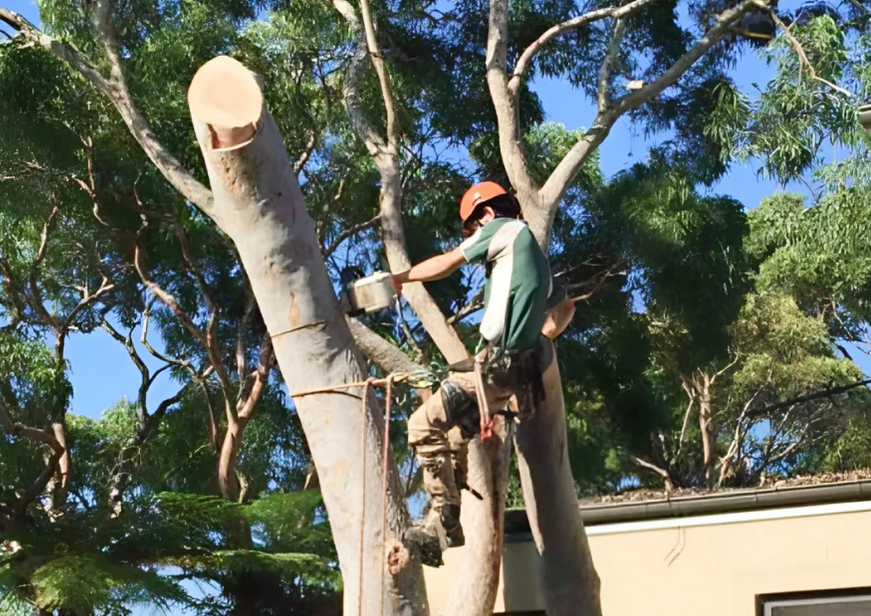
The Right Removal Decision Protects What You Have Built
Knowing when a tree has shifted from an asset to a liability is one of the most valuable judgments a property owner can develop. Homeowners across the region who need dependable tree removal near me GA understand that acting on that judgment promptly and professionally is what separates proactive property protection from reactive damage control.
Declining Trees Affect Property Value Before They Ever Fall
To begin with, a visibly declining tree does measurable damage to a property’s curb appeal and perceived value long before it poses a physical threat to any structure. Dead branches, sparse canopy, fungal growth at the base, and bark abnormalities are all signals that potential buyers, appraisers, and neighbors read immediately and negatively. A property with a dying tree prominently positioned in the front yard invites questions about what else may have been neglected, and those questions create hesitation that costs money during negotiations. Removing a declining tree and replacing it with healthy landscaping consistently produces a more positive property impression than leaving a failing tree in place and hoping it goes unnoticed.
Root Systems Cause Structural Damage That Builds Silently
Furthermore, the damage that aggressive tree root systems cause to foundations, driveways, sidewalks, and underground utilities is among the most costly and least visible consequences of leaving poorly positioned trees in place for too long. Roots follow moisture and space with remarkable persistence, finding their way into foundation cracks, lifting concrete surfaces, and infiltrating sewer and water lines in ways that produce repair bills far exceeding the cost of timely tree removal. The damage typically develops over years before it becomes undeniable, which means homeowners who act on root intrusion concerns early consistently spend far less than those who wait for the evidence to become impossible to ignore.
Overhanging Limbs Create Insurance and Liability Exposure
Another dimension of tree positioning that property owners increasingly need to consider is the insurance and liability implications of large limbs hanging over structures, vehicles, and neighboring properties. Many homeowners insurance policies include provisions that affect coverage depending on whether a homeowner was aware of a tree’s declining condition before it caused damage. A tree that has shown visible signs of structural weakness and subsequently falls on a vehicle, fence, or structure may generate a claim dispute that a proactive removal would have avoided entirely. Consulting with a qualified tree service before a problem develops rather than after it does is always the less expensive and less complicated path.
Professional Removal Opens the Property to New Possibilities
Finally, removing a tree that has outlived its positive contribution to a property is not simply an act of loss prevention. It is also an opportunity to reimagine how that space contributes to the property going forward. A cleared area where a large declining tree once stood can accommodate expanded garden beds, new construction, improved lawn coverage, a patio or outdoor living feature, or a strategically chosen replacement tree that will enhance the property for generations rather than diminish it. Property owners who approach removal with that forward-looking perspective consistently find that the finished result improves their enjoyment and use of the outdoor space in ways that outweigh any initial reluctance about taking the tree down.
Conclusion: The Right Removal Decision Protects What You Have Built
To sum it all up, tree removal near your home is sometimes the most property-protective decision an owner can make. Declining trees reduce curb appeal, root systems cause silent structural damage, overhanging limbs create liability exposure, and timely removal opens genuine possibilities for how the space can be used and enjoyed. Do not wait for a visible crisis to make the decision that careful observation already supports. Act early, work with a qualified professional, and protect the property you have invested in with the same forward-thinking approach you bring to every other aspect of its care and maintenance.




Recent Comments