Common Questions About Affordable Implants

Patients researching tooth replacement often carry the same handful of questions into their first consultation. Cost concerns mix with uncertainty about process and outcomes. Getting straight answers before that first visit helps patients feel more prepared. Here are the questions that come up most often, answered clearly.
Answering What Patients Ask Most

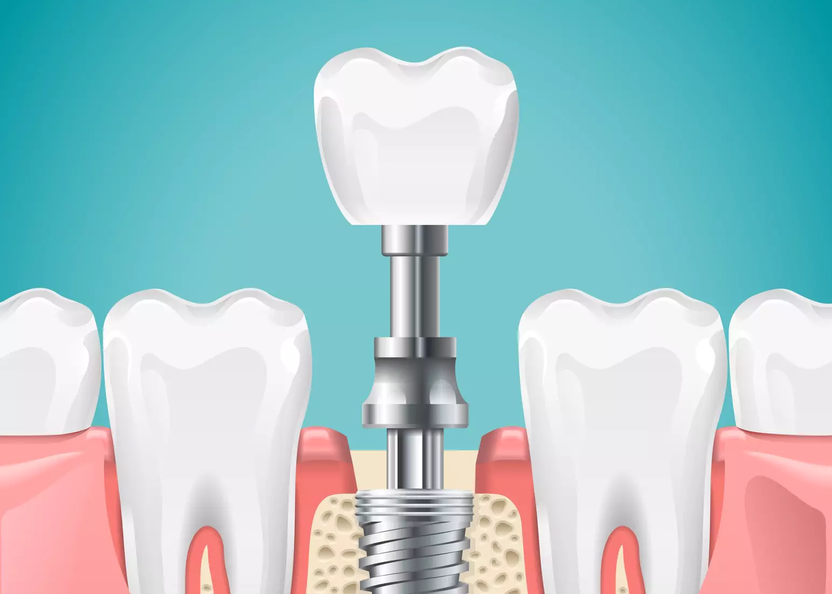
Have questions piling up before your first appointment? Patients considering affordable dental implants Raleigh NC usually want the same handful of things clarified first. Here are the answers that come up most often.

Does Affordable Mean Lower Quality

Many patients worry that budget friendly pricing signals weaker materials or rushed work. This is rarely accurate. Affordable options typically come from smarter treatment planning, phased payment structures, or alternative implant types rather than cutting corners on quality. A reputable practice never sacrifices safety or longevity to hit a lower price point. Asking directly about materials and techniques used helps confirm quality stays consistent regardless of budget considerations involved.

Can I Get a Price Before Committing

Reputable practices provide detailed estimates after an initial exam and imaging. Pricing depends on individual factors like the number of implants needed and whether additional procedures apply. Walking in without commitment for a consultation costs little and provides real numbers specific to your mouth. This removes guesswork early. Patients should never feel pressured to commit to treatment before receiving a clear, written cost breakdown first.

What If I Cannot Pay All at Once

Most practices offer solutions for patients unable to pay the full amount upfront. Financing companies provide monthly payment plans, sometimes with low or no interest for qualified applicants. Phased treatment also spreads costs across multiple visits over time. Asking about these options directly during your consultation removes assumptions. Many patients discover more flexibility exists than they originally expected before asking.

Will Insurance Cover Any of This

Coverage varies significantly between dental insurance plans. Some policies cover diagnostic steps like exams and X-rays, even if they classify the implant itself as elective. Checking your specific plan details beforehand clarifies what applies to your situation. Office staff can often verify benefits directly, saving you time. Even partial coverage reduces out of pocket cost meaningfully for many patients pursuing this treatment.

How Do I Know If I Am a Good Candidate

Bone density, overall health, and gum condition all factor into candidacy. Most patients qualify after a thorough evaluation, sometimes requiring additional steps like grafting first. Age alone rarely disqualifies anyone. The only way to know for certain involves a consultation with imaging and an honest conversation about your specific situation. This evaluation removes assumptions and provides a clear answer either way.

Conclusion: Answering What Patients Ask Most

Patients researching affordable implants usually share similar questions about quality, pricing, and payment flexibility. Understanding that affordable does not mean lower quality helps ease initial concerns. Asking directly about financing, insurance, and candidacy during consultation clarifies your specific path forward. Getting these answers early makes the entire process feel far less uncertain.
Life After Full Mouth Dental Implants

Deciding on a permanent tooth replacement solution is a major step. Many patients focus heavily on the procedure itself but overlook what daily life looks like afterward. Understanding the adjustment period and long-term care helps set realistic expectations. This knowledge makes the transition smoother from the very first days of healing through years of normal use.

What Daily Life Looks Like Afterward

Curious what eating and speaking will actually feel like once healing finishes? Skilled whole mouth dental implants Pittsburgh PA providers offer help patients adjust smoothly to their new smile. Here is what to expect.

The Right Specialist Team Matters

Full mouth restoration often involves collaboration between an oral surgeon and a prosthodontist. The surgeon handles implant placement, while the prosthodontist designs and fits the final restoration. This teamwork ensures both function and appearance meet the patient’s expectations. Choosing a practice with experience coordinating this collaborative approach often leads to better outcomes than working with providers unfamiliar with full arch cases specifically.

Adjusting to Eating with New Teeth

Most patients start with softer foods during the initial healing period after surgery. As healing progresses, chewing ability gradually improves. Once the permanent restoration attaches, patients typically regain nearly normal eating capacity within weeks. Foods that were difficult with dentures, like apples or steak, often become manageable again. This dietary freedom ranks among the most appreciated benefits patients report after full recovery.

Speech Adjustment Takes Practice

Some patients notice minor speech changes immediately after receiving their new teeth. This typically resolves within a few weeks as the tongue and mouth adapt to the new structure. Reading aloud or practicing certain words can speed up this adjustment period. Unlike removable dentures, fixed implants stay firmly in place, which often makes speech feel more natural once the adjustment period passes completely.

Long Term Maintenance Requirements

Full mouth implants require consistent daily care to stay healthy long term. Special flossing tools designed for fixed bridges help clean areas a regular toothbrush cannot reach. Routine dental visits allow the dental team to check the restoration and surrounding gum tissue for any developing issues. Patients who maintain good hygiene habits typically enjoy their restoration for many years without significant complications arising.

Recognizing Warning Signs Early

Occasional discomfort during initial healing is normal, but certain symptoms warrant attention. Persistent pain, swelling, or looseness in the restoration should prompt a call to the dental office. Catching potential issues early often prevents more serious complications from developing. Staying attentive during the first year after treatment helps ensure any problems get addressed before they affect the long-term success of the restoration.

Conclusion: What Daily Life Looks Like Afterward

Adjusting to full mouth dental implants involves a gradual process of relearning eating and speaking naturally. Working with a coordinated specialist team supports better outcomes throughout treatment. Long term success depends on consistent maintenance and staying alert to warning signs. With proper care, patients typically enjoy lasting function and confidence for many years following treatment.

How to Choose the Right Dentist for Preventative, Cosmetic, or Emergency Care 

Choosing the right dentist can make a big difference in your long-term oral health. Whether you’re looking for routine checkups, a smile makeover, or urgent relief from a painful toothache, finding someone you trust is essential.  

Choosing the Right Dentist 

Let’s break down how to select a dentist Raleigh NC who fits your needs, no matter what type of care you’re after. 

Know What Type of Dental Care You Need 

Before diving into your search, it helps to know what services you’re looking for. Are you primarily focused on cleanings and checkups? That’s preventative care. Thinking about teeth whitening or veneers? You’ll need a cosmetic dentist. Dealing with a chipped tooth or swelling? Emergency dental care is your priority. 

Some dental offices offer all these services under one roof, while others may specialize. Understanding your needs will help you narrow your search and save time. 

Check Credentials and Experience 

Once you know what kind of care you need, take a close look at a dentist’s qualifications. Make sure they’re licensed in your state and have the proper training, especially if you’re seeking cosmetic procedures or emergency services. Experience matters too—dentists who’ve been practicing for years often bring valuable insight and a steady hand. 

You can usually find this information on their website, but don’t hesitate to call and ask questions if anything is unclear. 

Read Reviews and Ask for Recommendations 

One of the best ways to get a feel for a dentist’s reputation is by checking online reviews. Look for consistent feedback on things like professionalism, communication, cleanliness, and how comfortable patients feel during visits. A few negative reviews aren’t always a dealbreaker, but recurring complaints can be a red flag. 

Additionally, ask friends, family, or coworkers for recommendations. Personal experiences can tell you a lot about what to expect. 

Evaluate Office Environment and Technology 

A visit to the dentist can be stressful for some people, so a welcoming environment is important. Is the office clean and modern? Are the staff members friendly and helpful? These details can make a big difference in your overall experience. 

It’s also worth considering the technology the office uses. Modern equipment like digital X-rays, intraoral cameras, and laser tools can improve the accuracy, comfort, and speed of dental procedures. 

Consider Insurance and Payment Options 

Dental care can get expensive, especially if you need emergency or cosmetic treatments. Before choosing a provider, confirm that they accept your insurance or offer payment plans if you’re paying out of pocket. Transparent pricing and flexible financing options can make quality care more accessible. 

Also, ask about what’s included in services. For example, does a cleaning come with X-rays and an exam? The more you know upfront, the fewer surprises you’ll face later. 

Conclusion: Choosing the Right Dentist 

Finding the right dentist is more than just picking a name off a list. It’s about aligning your needs with a provider’s qualifications, reputation, and approach to care. By doing a little homework and asking the right questions, you’ll feel confident walking into your next dental appointment—whether it’s for a routine checkup, cosmetic work, or an emergency. 

How Sedation Dentistry Is Bringing Anxious Patients Back to the Chair

Dental anxiety is far more common than most people openly admit. For millions of adults, the prospect of sitting in a dental chair triggers a level of fear and physical discomfort that has nothing to do with pain tolerance and everything to do with deeply ingrained associations built up over years of difficult or traumatic dental experiences. 

Why Sedation Dentistry Changes Everything for Fearful Patients

Dental fear should never be a barrier to receiving the care that protects your health, your confidence, and your quality of life. Patients exploring sedation dentistry Raleigh NC are discovering that modern sedation options make it genuinely possible to receive comprehensive dental care comfortably, even for those whose anxiety has kept them out of the dental office for years or even decades.

Dental Anxiety Is a Real Clinical Condition Deserving Real Solutions

First and foremost, dental anxiety exists on a spectrum that ranges from mild nervousness before appointments to full clinical phobia that makes even scheduling a visit feel overwhelming. Dismissing this anxiety as irrational or a matter of willpower misunderstands its nature entirely. For many patients, the fear response is physiological, automatic, and genuinely beyond conscious control. 

Different Sedation Levels Serve Different Patient Needs

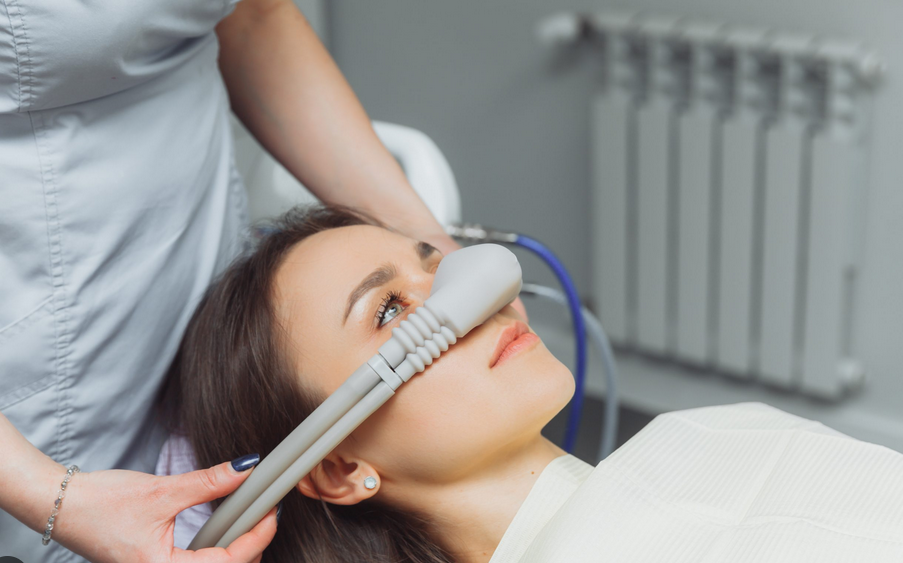
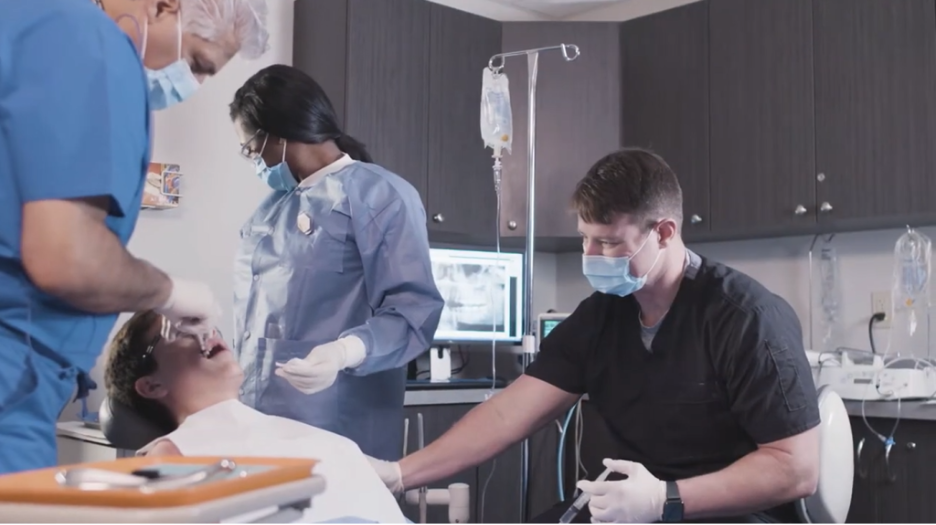
Furthermore, sedation dentistry is not a single uniform experience but rather a range of options calibrated to the needs of each individual patient and the complexity of the treatment being performed. Nitrous oxide provides mild relaxation while keeping the patient fully conscious and able to communicate throughout the procedure. Oral conscious sedation produces a deeper state of calm through medication taken before the appointment, leaving patients relaxed and often with limited memory of the procedure afterward. IV sedation delivers the deepest level of relaxation for patients with severe anxiety or those undergoing extensive treatment in a single visit. 

Sedation Makes It Possible to Complete More Treatment in Fewer Visits

Another compelling advantage of sedation dentistry that extends well beyond anxiety management is the ability to consolidate multiple procedures into fewer appointments. Patients who are relaxed and comfortable can remain in the chair for longer periods without distress, allowing a skilled dental team to accomplish in one or two visits what might otherwise require four or five separate appointments. 

The Right Dental Team Makes Sedation Safe and Effective

Finally, the safety and effectiveness of sedation dentistry depends entirely on the training, experience, and clinical protocols of the dental team administering it. Proper patient screening, accurate dosing, continuous monitoring throughout the procedure, and clear post-sedation care instructions are all non-negotiable components of a sedation experience that is both comfortable and safe. 

Conclusion: Why Sedation Dentistry Changes Everything for Fearful Patients

To wrap it all up, sedation dentistry represents a genuine turning point for patients whose fear has kept them from receiving the dental care they need and deserve. With options calibrated to every level of anxiety, the ability to complete more treatment in fewer visits, and a clinical team trained to deliver sedation safely and compassionately, there is no longer any reason for dental fear to stand between a patient and a healthy, confident smile. The chair does not have to be something you dread. With the right support, it can simply be where your oral health gets the attention it deserves.